
Architecture of a Move: Translating American Success into a European Reality
- Staff
- Feb 27
- 3 min read
If you’ve been feeling a quiet urgency to secure a "Plan B," you aren't alone. More families than ever are seeking a landscape that feels aligned with their personal values and a slower, more intentional pace of life.
But as this transition goes mainstream, so does the misinformation. A pervasive myth has taken hold: that unless you possess a massive trust fund, you are too "middle class" to qualify for residency in Spain or Italy.
The reality is much more nuanced. As discussed on the Armchair Expat podcast, relocation at this stage of life isn't just a change of address; it’s a logistical project that requires a precise, strategic architecture. Consulates aren’t looking for millionaires; they are looking for structural soundness. They want to see a foundation that allows you to thrive without becoming a burden on the local system.
To see how this translates to a real-world move, consider the journey of Linda and Tom—a couple who proved that a well-organized strategy is more valuable than a deep pocket.
Beyond the "3:00 AM Panic"
Like many successful, middle-class Americans, Linda and Tom were stuck in a loop of "Unknown Variables." On paper, they were the ideal candidates, yet they were paralyzed by the same questions that might be keeping you up at night:
The Healthcare Cliff: Will losing US employer-backed coverage leave us vulnerable?
The Tax Terror: Will the IRS and a new government both claim a piece of our retirement?
The Burden of "Stuff": How do we walk away from 30 years of accumulated possessions?
Navigating this requires moving beyond "guessing" and into Strategic Planning. The goal is to replace hesitation with a clear "Exit and Entry" strategy.

Trading the Anchor for a War Chest: Asset Liquidity
One of the most critical shifts you will make is understanding the distinction between active and passive income. For a residency visa, your "success" is measured by sustainable, non-employment-based funds.
For Linda and Tom, the breakthrough came when they reframed their primary residence. In the US, the family home is a security blanket. In a European move, it can become an illiquid anchor—a liability tied to taxes, maintenance, and the psychological weight of "stuff."
By choosing to sell, they transformed that equity into a "War Chest." This satisfied the consulate’s liquidity requirements instantly and created a buffer against Euro/Dollar fluctuations, ensuring their lifestyle remained stable regardless of market shifts. They moved from being "landlords of a storage unit" to "citizens of the world," trading 3,000 square feet of "things" for 750,000 square miles of Europe.
Navigating the "Unknown Unknowns"
The most dangerous obstacles in a move are the ones you don't even know exist. Dismantling these hurdles involves mapping out the intersection of international law and lifestyle design.
The Healthcare "Fast-Pass"
In the US, health insurance is often a source of stress. To move to Spain, you must secure a private policy with zero copays and zero deductibles to satisfy the consulate. This isn't just a requirement; it's an opportunity. In Europe, private insurance acts as a "fast-pass" to specialists within a world-class public safety net. For a fraction of their Georgia premiums, Linda and Tom secured a level of medical peace of mind they hadn't felt in decades.
The Tax Blueprint: Preventing the "Double Dip"
The fear of being "double-taxed" is common, but a well-utilized tax treaty can prevent this. The move requires Tax Mapping based on your specific asset classes—deciding whether to take distributions before or after becoming a tax resident, and understanding regional differences (such as the specific tax advantages in Madrid). This ensures your life savings remain a tool for your freedom, not a casualty of bureaucratic oversight.
The Result: A New Mediterranean Reality
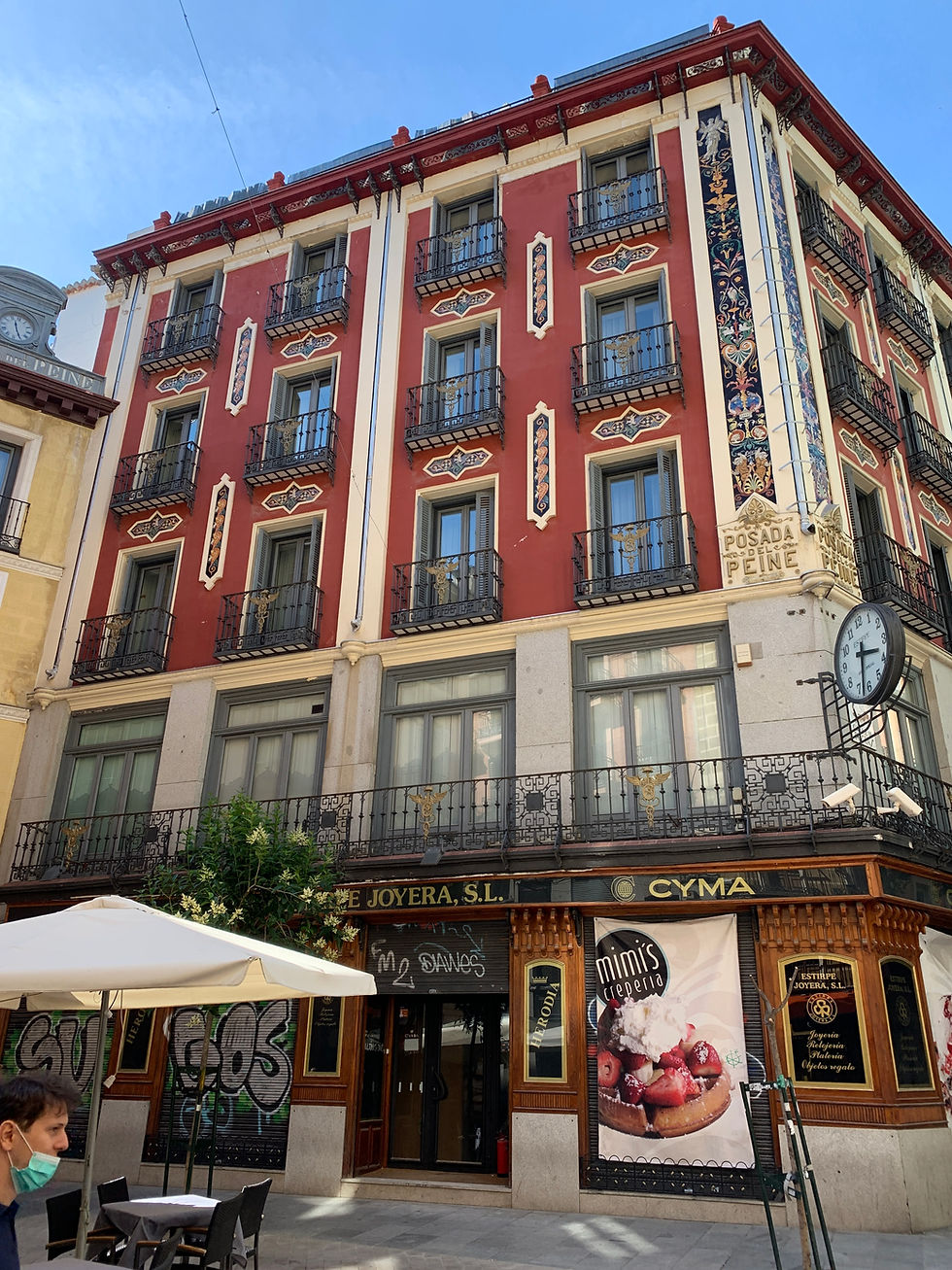
Once the financial architecture was secure, the money stopped dictating the choices. Linda and Tom eventually chose Madrid—trading American hyper-efficiency for the "village" feel of a city where the high-speed rail network connects them to the rest of the continent.
But the real transformation happened on the ground. Today, their mornings aren't spent in a Georgia commute; they are spent at the local dog park just steps from their city-center apartment. Their two dogs, once accustomed to a fenced-in suburban yard, have become "urbanites," navigating the cobblestones and greeting neighbors who now know them by name.
After the dog park, Linda and Tom head to the Cervantes Institute for intensive Spanish classes. They are doing the hard, humbling work of learning to communicate from scratch. They have traded the comfort of "knowing everything" for the grace of true integration. They aren’t just living in Spain; they are becoming part of it.
A successful move isn't the result of "guessing" through a bureaucratic maze. It is a logistical project that requires a Lead Architect. When you move your mindset and organize your assets with precision, the move itself becomes an inevitable reality.


